Handmade Embroidery: A Font That Feels Like a Warm Hug
The Personality Behind the Strokes
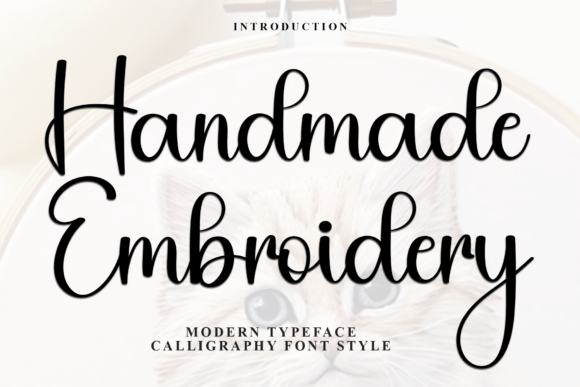
There's something undeniably inviting about a font that looks like it was crafted by hand, stitch by stitch. Handmade Embroidery captures that cozy, tactile quality in digital form. The round, playful letterforms feel approachable without trying too hard. Each character carries a gentle imperfection that mimics the texture of real threadwork, giving your designs an authentic, human touch that polished geometric typefaces simply can't replicate.
What sets this creative font apart is its warmth. It doesn't shout for attention or demand formality. Instead, it whispers. The soft curves and casual rhythm of the letterforms create an immediate sense of friendliness. Think of the difference between a handwritten note from a friend and a printed corporate memo. That gap in emotional tone is exactly what Handmade Embroidery bridges for designers who want their work to feel personal and genuine.
As a premium font, it delivers more than just good looks. The standard PUA encoded glyphs mean you can access every character across popular design platforms like Adobe Photoshop, Illustrator, Corel, and Canva. That technical reliability matters when you're working under deadline pressure and need your design assets to perform consistently.
Where This Font Truly Shines
Not every typeface earns its place in every project. Handmade Embroidery has a distinct personality, and knowing where it thrives will save you headaches and elevate your work.
Branding and Identity Work
For small businesses, artisan brands, and lifestyle companies, this typeface can become the backbone of a brand identity. Bakeries, craft studios, boutique shops, wellness coaches, and handmade product lines often struggle to find a logo design font that communicates authenticity without looking amateurish. Handmade Embroidery walks that line with grace. Its hand-drawn aesthetic signals craftsmanship and care, which directly influences how customers perceive the quality of what you offer.
Digital and Social Media
Social media graphics demand fonts that grab attention in a split second while remaining legible on small screens. The rounded forms of this handwritten font hold up surprisingly well at moderate sizes. Instagram stories, Pinterest pins, Facebook headers, and YouTube thumbnails all benefit from a typeface that feels fresh and approachable. Pair it with clean photography or minimalist layouts, and you create visual contrast that stops the scroll.
Publishing and Editorial Design
In editorial design, display headings need personality. A magazine spread about home cooking, a blog header for a travel journal, or chapter titles in a self-published book about creative living all call for something warmer than a standard sans serif font. Handmade Embroidery works beautifully as a display or accent typeface in these contexts, though it's best reserved for headlines and pull quotes rather than body text.
Packaging and Print
Product labels, gift tags, greeting cards, wedding invitations, and packaging design for artisan goods benefit enormously from fonts with character. The stitched quality of Handmade Embroidery evokes the handmade process itself, which creates an emotional connection between the packaging and the product inside. That connection drives purchasing decisions more than most people realize.
Making Smart Design Decisions With This Typeface
Choosing a font is never just about aesthetics. It's about fit, function, and strategy.
Readability Comes First
Every creative font comes with trade-offs. Handmade Embroidery excels at display sizes but becomes harder to read in long paragraphs or at very small scales. Use it for headings, logos, short phrases, and accent text. For body copy, pair it with a clean serif font or sans serif font that handles extended reading without fatigue. A simple pairing like Handmade Embroidery for headers with a neutral sans serif for body text creates clear visual hierarchy while maintaining the design's personality.
Evaluating Project Fit
Ask yourself a few honest questions before committing. Does your audience value warmth and authenticity over sleek minimalism? Is the tone of your project casual, personal, or community-oriented? Would a more formal typeface feel disconnected from your message? If you're designing for a law firm or a fintech startup, this probably isn't your font. But if you're working with a yoga studio, a children's brand, a farmer's market, or a personal blog, it could be exactly right.
Font Pairing Strategies
Effective font pairing is about contrast and harmony existing at the same time. Handmade Embroidery brings texture and personality, so balance it with something structured and quiet. A geometric sans serif like Montserrat or a classic serif like Lora creates a sophisticated counterweight. Avoid pairing it with other decorative or script-heavy fonts, which creates visual noise and undermines readability.
Licensing and Commercial Use
Before using any commercial font in client work or product sales, verify the license covers your intended use. Most premium fonts include clear terms for commercial projects, but it's worth confirming whether the license extends to merchandise, digital products, or large-scale distribution. This due diligence protects both you and your clients.
Consistency and Professionalism
Using Handmade Embroidery consistently across touchpoints builds brand recognition. When the same typeface appears on your website, social posts, packaging, and email headers, audiences begin associating that visual style with your business. That consistency signals professionalism, even when the font itself has a relaxed, casual feel. The goal isn't to look corporate. It's to look intentional.
A Final Thought on Audience Engagement
Fonts shape emotion before a single word is read. Handmade Embroidery creates an instant feeling of trust, warmth, and approachability. For the right project, that emotional shortcut is invaluable. It turns a simple invitation into something that feels personally crafted. It transforms a social media post into something that feels like a conversation rather than an advertisement. That kind of audience engagement doesn't come from louder graphics or bigger budgets. It comes from choosing the right tools with intention and care.